We know how tough it can be to raise funding in this climate, especially if you have a small business without a lot of miles on the clock yet. Indeed, if you have neither been in operation for at least a year, nor had enough time to establish a decent history of your creditworthiness, you may be frustrated with the lack of eligible types of business financing available to you.
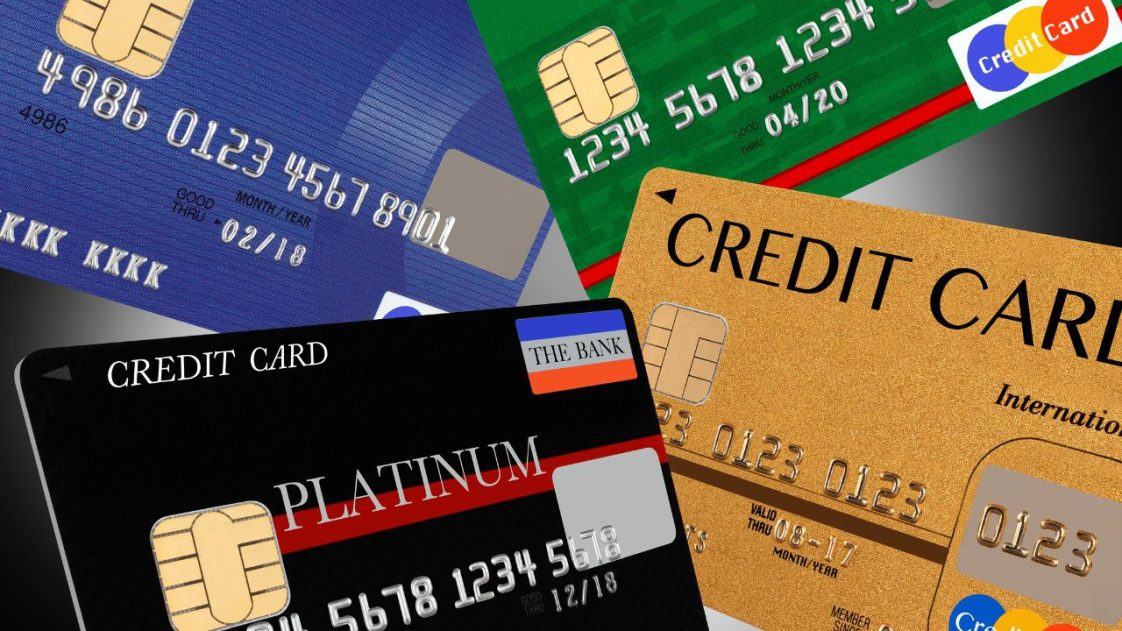
This is where a business credit card can prove extremely useful. Often having less stringent requirements to gain lenders’ approval, this revolving credit facility is popular among businesses new and old, small and large, and can cover a vast array of your expenses including daily necessities, equipment, employee travel and client entertainment.
As such, when it comes to using borrowed funds to advance your business’ goals, just “putting it on the card” could well be the ideal option to take.
What is a Business Credit Card?
Often utilized as a short-term financing solution, a business credit card is much like your personal credit card in that it comes with a pre-determined credit limit and APR interest rate (annual percentage rate) that is charged on the amount you have borrowed.
It bolsters the buying power of your business by enabling you to electronically pay for goods and services, and as such, you can conveniently make vital purchases for goods and services you deem important for growing your business, and within your credit limit. This makes business credit cards useful for meeting short-term business expenses, or for making larger one-off purchases.
And like a personal credit card, you will owe less in interest to the lender the lower your outstanding balance. It is thus recommended to remain on top of your balance to ensure that you can at best pay off your balance sooner than later, and at worst meet the minimum monthly interest payment requirement.
If you can stay in control of this aspect of the financing facility, then business credit cards can be among the most convenient, and most rewarding funding solutions in the market. And by demonstrating responsible usage of the card, it should also bode well for enjoying higher credit limits and/or lower interest rates on the card in the future.
Business Credit Cards vs Business Lines of Credit
So, now you might be wondering, “Isn’t a business credit card just the same as a business line of credit?” Not quite.
It is true that both are flexible, revolving funding options with more funds available to you the more you pay down your balance. And in general, the application process for both options are relatively quick and painless.
But there are key differences between the two that can make one preferable over the other, largely depending on your business and its funding needs:
1. If you are struggling to obtain funding – either due to having a new business and/or you do not have a strong or established credit history thus far – receiving approval for a business credit card is much easier than for a business line of credit, which typically requires both longer and stronger financial and credit histories to be deemed eligible.
2. The borrowing limits for business credit cards are usually much lower than for business lines of credit – approximately $50,000 on average vs upwards of $300,000, respectively. So, if you are looking to make larger purchases, the line of credit is the preferable option.
3. Using business credit cards will often generate rewards in return for their usage, which can prove hugely valuable and useful in many cases. Such perks include accumulating reward points for large purchases, cashback on purchases, airline travel miles and discounts on hotels and car rentals.
Business lines of credit do not usually offer such rewards.
4. However, for those business credit cards that offer the most valuable rewards, using such cards may also be accompanied by higher annual fees to offset the cost of those rewards. There are also additional fees associated with credit card usage that do not exist for business credit line usage (as outlined below)
5. The interest rate charged on a business credit card is typically higher than on a comparable line of credit. Indeed, the APR can go beyond 25% for purchases, and even more for cash advances. So, if minimizing the cost of financing is high on your priority list, a business line of credit could be more affordable.
6. While a line of credit will normally have a finite life with an agreed maturity date, business credit cards can be used indefinitely into the future.
Types of Business Credit Card
Standard Business Credit Card – Having many of the same attributes as a personal credit card, the business credit card provides you with a credit limit over which you cannot borrow, and you are charged an APR on the outstanding amount borrowed.
You can still maintain an outstanding balance from month-to-month, so long as you meet the monthly interest payment requirement. But if you can repay the balance quickly, the business credit card is a good way for your business to build its credit score.
That said, a handful of fees can be applied depending on how you use the card, including over-limit fees, annual fees and balance transfer fees.
Secured Business Credit Cards – essentially the same as a standard business credit card, but in this case you pledge collateral to the lender as security for using the credit facility. This can be a good choice if you do not have a sufficiently strong or long enough credit history to obtain an unsecured credit facility.
The collateral will typically be a cash deposit, the size of which will determine your credit limit and interest rate. Once approved, the secured credit card functions like a standard business credit card, with interest and potential fees charged, minimum repayments required and rewards earnt for usage.
Your purchases and repayment activity are also sent to credit-rating firms, which again means that if you can manage your monthly payments and even pay off your balance quickly, a secured credit card can be great for building your credit score, raising your credit limit in the future and even eventually converting the agreement into an unsecured facility along with the return of your cash deposit.
Business Charge Cards – the major difference between a charge card and credit card is that you must repay the balance in full every month. As such, you cannot roll the outstanding balance over to the next month.
On the flip side, charge cards don’t incur interest payments. Neither do they contain hidden fees other than those associated with a failure to pay the full monthly amount, unlike business credit cards. But a failure to pay might also bar you from using the card altogether in the future.
How To Obtain A Business Credit Card
When it comes to choosing the right business credit card, there are a myriad of options which can make it confusing. So, it is worth spending time assessing not only the perfect fit for your business needs, but also the affordability and eligibility of various cards being offered in the market.
The following steps can help you to ensure you can obtain the right card for your business:
1. What are your goals? There are plenty of solid reasons to opt for a business credit card over other forms of business financing. But is it the ideal option for you?
The flexibility credit cards offer – for example, if you are making a sizeable purchase for which the repayment can be spread out over several months, or the ability to keep borrowing after paying down your balance - should not be underestimated.
Nor should the rewards on offer – if your business requires that you or your employees travel a lot, the airmiles earnt through card usage can make business credit cards worthwhile in the long run.
Or perhaps your financing choices are restricted by the short life and minimal credit history of your business to date, and as such, a business credit card is the best of the limited options available to you. This option becomes even more attractive if you are not flush with cash today but are anticipating future growth in revenue, which can be used to pay down your debt. The ability to roll repayment over to a later period thus makes a business credit card particularly useful in such a scenario.
2. Assess Your Own Eligibility – is your business new, and/or is this the first time you are seeking to apply for a credit card? Can you provide financial history for your business? if so, lenders will be more willing to issue you a card.
The issuer will almost certainly want to know your FICO credit score before, which you can determine through the issuer or obtaining separately via the major rating companies such as Equifax, Experian and Dun & Bradstreet.
Minimum card requirements are typically between 580 and 700. Cards are also available for scores below this, but the APR will be much higher – even as much as 30%.
3. Determine the Right Business Credit Card For You – terms for business credit cards vary substantially across lenders, even across cards issued by the same lender. Researching and assessing the terms you are likely to receive is a critical part of the process in acquiring the ideal credit card for your needs.
The APR, credit limit, fees, rewards, and any introductory offers – for example, 0% APR on purchases during the first 6 months – are some of the main terms to check before committing.
As far as fees are concerned, the following are some of the most common depending on how exactly you use the card:
Late or missed payment charges – if you fail to pay your credit card bill in time – even if just the minimum monthly interest requirement – most lenders will implement late payment fees.
Balance transfer fee – if you are planning on transferring existing debt from another institution, the lender will charge you a fee typically in the 2%-5% range
Cash withdrawal fee – if you are wanting to use your business credit card to withdraw cash from an ATM, you will most likely be charged a hefty transaction fee, typically 3%-5% of the cash advance amount, or $8-$10 (whichever is more).
Annual fee – Some lenders will charge an additional annual fee as a lump sum on certain credit cards. They can be hefty – from $95 up to a whopping $500 or more – and are often applied on those cards offering the most valuable rewards and other perks.
Over-limit fee – this is the penalty for exceeding your card’s credit limit
Foreign transaction fees – Will you be making purchases abroad using your business credit card? If so, many lenders will charge an additional foreign transaction fee to do so
4. Apply for The Best Available Card – You can increasingly apply online for credit cards in a straightforward process that often generate an instant approval or rejection. Other lenders might require you to visit them to complete the paperwork and to provide them with financial information pertaining to your business. It may also take longer for the final approval through this route.
If approved, expect around 5-7 business days for the card to be mailed to you.
How To Wisely Use a Business Credit Card
Used liberally, a business credit card can end up leaving you in a never-ending spiral of debt and excessive fees, whereby you barely struggle to even meet the minimum monthly interest payment.
Used wisely, however, you can avoid this situation and continue to build your credit score. This requires:
1. careful planning on your part to ensure you can afford the repayments on any big purchases you intend to make with your card in the future.
2. working out how much you aim to spend and how much revenue and profit you expect to generate.
3. assessing how external economic conditions might impact your business’ performance over the coming months
4. periodically reassessing whether your credit card remains best-suited to your needs. If you have opted for a premium card with high annual fees, consider whether a more affordable card is more cost-effective.
Pros of Business Credit Cards
Easier Access to Funds – Of all types of business financing, approval for a business credit card is among the easiest to obtain.
Even if your business has only been in operation for a few months, chances are that you will still qualify for some cards. And with some issuers, you may not even need to have an incorporated business to obtain a card – although terms for such facilities are unlikely to be favorable.
Rewards – Many card providers will offer you rewards for selecting their card(s) which can save much money for your business. These rewards can then be earned by using the card to make purchases, with more perks awarded the more you use the card.
They are typically issued in the form of points or air miles, and then exchanged for various benefits, including savings and cashback on specific purchases, lower fares for flights and hotels, discounts on rental cars, and gift cards. And as is the case with rates and fees, some business credit cards come with introductory promo rewards to appeal to new customers.
Unsecured Financing – it is true that secured business credit cards require you to pledge collateral in the form of a cash down payment. But the majority of cards issued are unsecured, and as such, you don’t need to post collateral to obtain one. This can be a huge advantage if you do not have the assets available to secure the funding.
Improve Your Credit Score – if you use the card intelligently and consistently pay down your balance in good time, your credit score should rise. Ultimately, this will not only improve the terms of your business credit card, but it will also raise the chances of you being eligible for other types of business financing.
Cons of Business Credit Cards
High Interest - The interest rate on business credit cards can often be higher than for other funding options. You will need to have an excellent credit score to qualify for cards with the lowest APR.
Low Credit Limit – compared to what you can borrow with a business bank loan or the credit limit granted through a business line of credit, the credit limit on a business credit card can be significantly lower. As such, you will not be able to make large purchases that exceed this limit.
Fees – as outlined above, the additional fees can be numerous and costly. Again, choosing the right card and using it wisely will go a long way towards minimizing those fees.